Lyle's Lens works with national and state sporting organisations, pathway programmes and academies to build strategic visual asset libraries around their athletes.
Not just photographs of what happened. Imagery built for what the organisation needs to do next.
You have game-day coverage. Media-day images. Social content. Thousands of photographs recording what happened.
But an organisation needs imagery to do more than document the sport. It needs to support pathways, funding, sponsorship, governance, recruitment and communications.
You don't have an imagery problem. You have an asset architecture problem.
Show athlete development and the programme behind it.
Give funders usable evidence of what their investment supports.
Create assets partners can actually deploy.
Build imagery for strategic plans, annual reports and board communication.
Show prospective athletes what the pathway looks like.
Give the organisation a coherent visual identity throughout the season.
The question isn't whether you have photographs. It's whether your visual library can do these jobs.
Most sports photography documents what happened. Lyle's Lens documents what it meant — and builds the assets the organisation will need next.
Lyle's Lens starts with the organisational requirement, then designs the photography around it.
The result is not another folder of photographs. It is a deliberate, reusable visual asset library built around the athletes, programme and organisation it needs to represent.
One frame, shot once, engineered with deliberate negative space rather than cropped tight to the action. The photograph is built to survive different crops, layouts and communications environments — not just to look good once.
The source frame, straight out of camera — unedited and uncropped. A separate Hockey ACT production from the selection frames elsewhere on this page, used here because the same frame can be followed through all three crops.
Annual reports, strategic plans, board papers, government funding submissions.
Selection portfolios, development pathway documentation, coaching environment evidence.
Campaign-grade assets with deliberate negative space and native aspect crops, ready for partner and sponsor communications.
The intended use changes. The asset survives.
Two of the three deployments above are shown on mock layouts, built with fictional placeholder names (“Capital Region Sports Trust,” “Meridian Health Partners”) for illustration only. These are not real clients, and none of this is published or commissioned work.
Hockey ACT shows what happens when photography becomes part of the organisation's visual infrastructure.
The athlete becomes individually visible.
Lucy Nash, Hockey ACT — controlled studio portrait, shot to the same lighting standard as every athlete in the programme.
The imagery documents progression and programme participation.
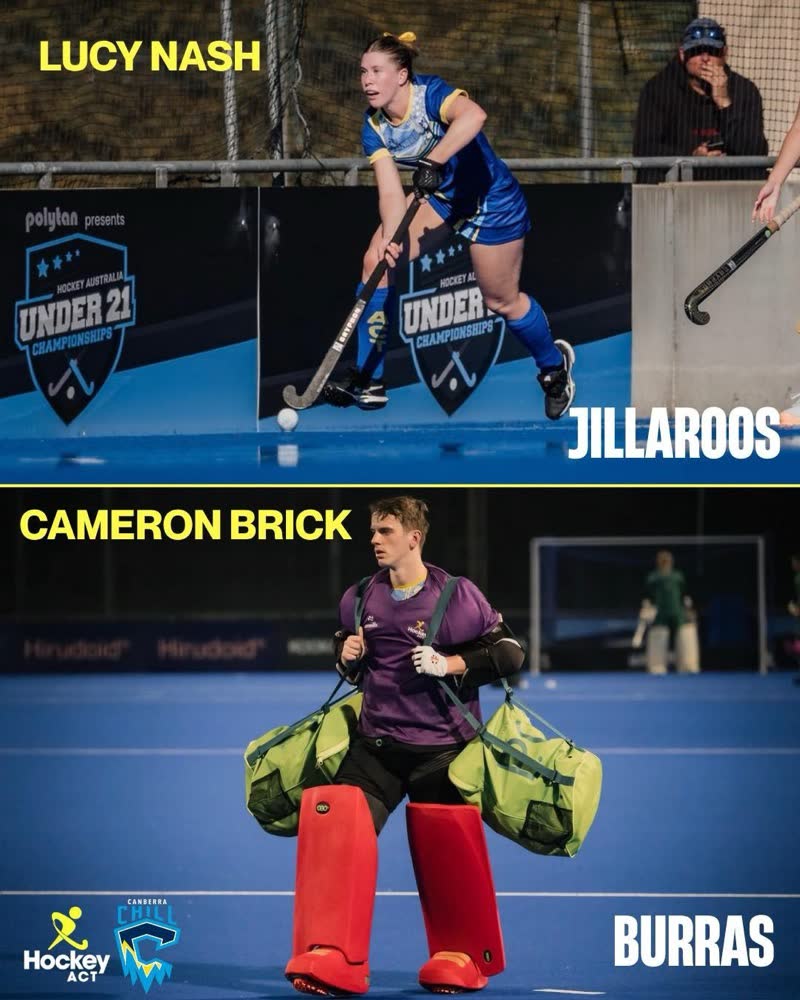
Lucy Nash, Hockey ACT — selected, Australia under-21 Jillaroos, 2026.
The imagery moves into communication with the wider hockey community.
Matchday atmosphere from the same programme, redeployed into 2026 membership sales campaigns.
The imagery reaches the organisation's strategic and institutional record.
The same programme's photography, redeployed into Hockey ACT's own governance and strategic-planning documents.
Game-day photography records the sport. Strategic photography communicates the organisation. See the full case →
The language above only means something if the photography underneath it holds up. This is a sample of what a season with Hockey ACT produces.
Lyle's Lens imagery is already being used across institutional strategic plans, governance reporting and ASX-listed corporate communications — including a board-level portrait deployed by ASX-listed Electro Optic Systems. See the case →
Elite sporting systems already understand the value of visibility. But much of that infrastructure arrives only after an athlete has reached the top.
Lyle's Lens is focused on women's elite pathways because value is being created earlier — through athletes, programmes, participation, community and partnerships — while the visual infrastructure around that value is still developing.
Build it earlier, and it can travel with the athlete and the programme as they grow.
Before recommending production, Lyle's Lens audits the visual assets your organisation already owns against the jobs they need to perform. The Discovery Audit identifies what already works, what can be redeployed, where the gaps are, and whether new production is actually justified.
Diagnosis first. Production only where it is justified.
No cameras. The Discovery Audit produces a written gap analysis and structural recommendations report, built to hold up under scrutiny. That discipline isn't borrowed from photography — it's the same judgement built over thirty-four years identifying what mattered under pressure, working from incomplete information, and giving people a clear recommendation they could act on, now aimed at your visual evidence. Each audit is scoped and priced to the organisation.
An annual report. A funding submission. A sponsorship renewal. A sponsor with nothing to activate. A selection window. A recruitment problem. A content calendar that never stops.
Different pressures. One question underneath them: Is your visual evidence strong enough to carry the decision?
We start with the visual assets you already hold.
We review your existing library against the requirements of the people who make funding decisions — boards, funders, selectors, and your own partners. What could each partner actually run? What have they asked for and not received? Where does the next renewal get harder?
You receive a written gap analysis and structural recommendations report on the health of your current library. It stands on its own.
It also gives you something to take to your partners: a specific case for what closing those gaps is worth to the people already funding your programme.
What happens next is your decision. There is no production commitment.
The Discovery Audit is the diagnostic entry point, not a barrier to commissioning Lyle's Lens when an organisation already knows what it needs.
Your existing library meets your stakeholder requirements. You now have that position documented in writing and can defend it.
Where gaps are identified, we engineer and produce a complete, campaign-grade library built for institutional, sponsorship and editorial use simultaneously. Delivered with matching model and property releases.
Embedded advisory on a rolling basis: a visual system update once per season, scheduling priority for key selections and campaign windows, and a compounding archive that grows more valuable over time. This pathway opens once a visual system build has been delivered and verified.
All imagery delivered rights-cleared with signed talent releases. Usage rights, licensing scope and any territory or duration conditions are agreed before production begins.
Full-resolution, social-media crops and print-ready files delivered as standard. Modular crops across multiple aspect ratios are included in every engagement.
Professional indemnity and public liability insurance held. CASA ReOC and RePL certified for aerial operations. ACT Working with Vulnerable People registered.
Client archives maintained on a live delivery platform for a minimum of three years. Assets can be re-accessed or re-ordered after the engagement is complete.
The funding submission, sponsor renewal, strategic plan, athlete announcement or campaign is not the moment to discover that the image you need was never made. Lyle's Lens builds it earlier.
A written gap analysis and recommendations report. No cameras. You will receive a written response within one business day.